

 EN
EN  English
 русский
 한국어
한국어 عربى
عربى Türk
Türk
Home / News / Why Steel Open Type Blind Rivet Nuts Are the Ultimate Solution for Thin-Gauge Fastening
We welcome you to contact us, STEADY not only your reliable supplier, but also your turstworthy business partner.
 +(86)-133 8863 9264
Dec 24,2025
Content
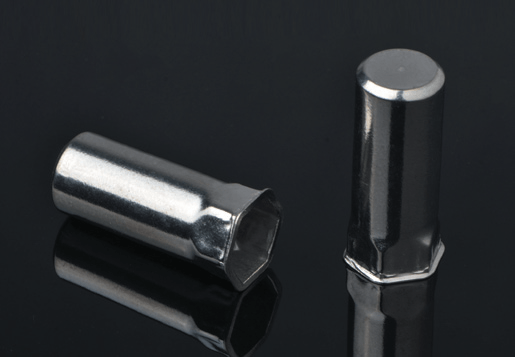
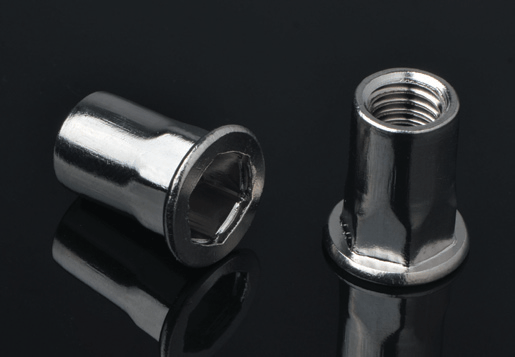
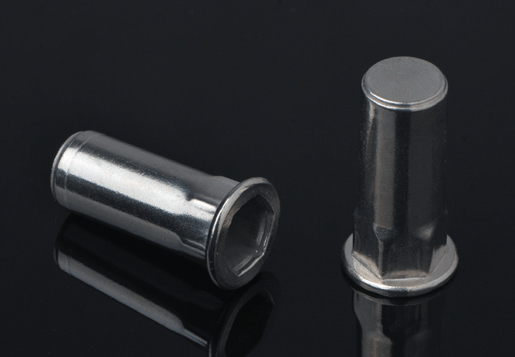
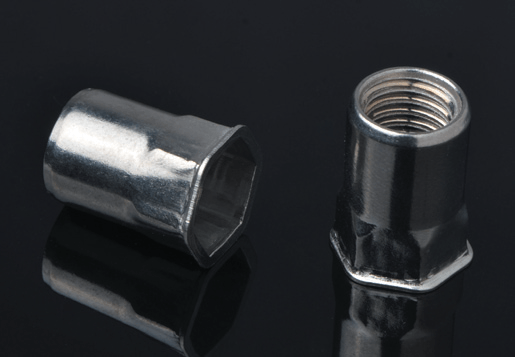
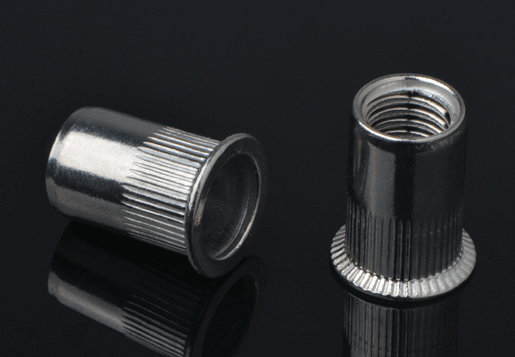
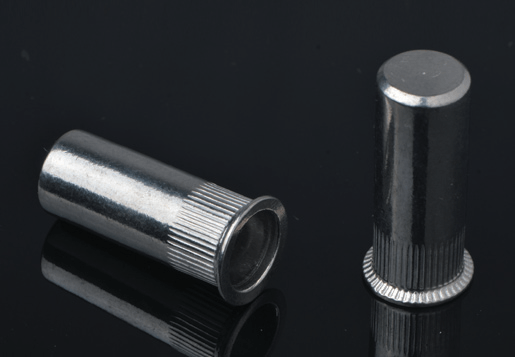
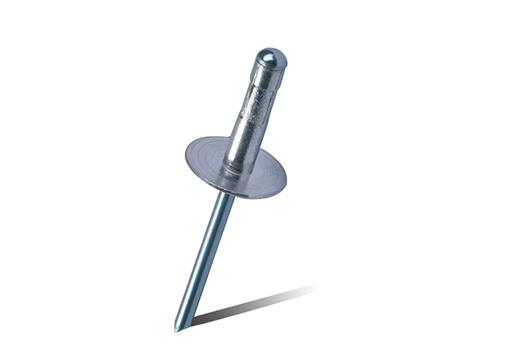
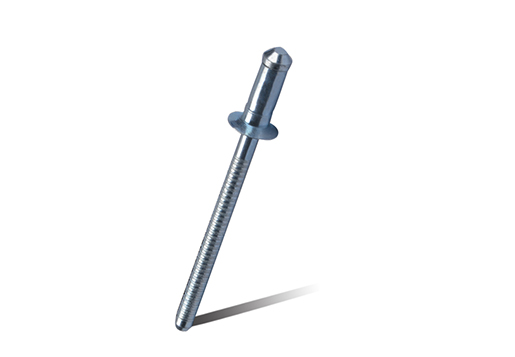
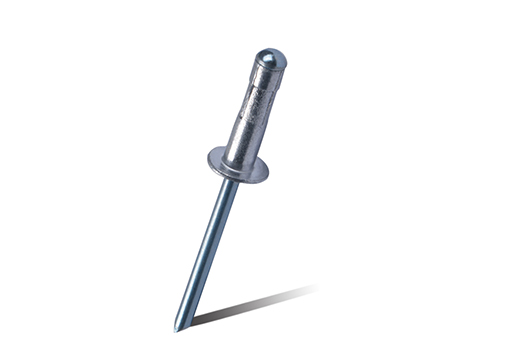
Steel open type blind rivet nuts, often referred to as threaded inserts, are unique fasteners designed to provide high-quality, load-bearing threads in thin or brittle materials where tapping a thread is impossible. The "open type" designation refers to the hollow shank that allows the screw or bolt to pass through the end of the nut without restriction. This makes them incredibly versatile for applications where the length of the mating bolt may vary. They are installed from one side of the workpiece, making them "blind" fasteners—a critical feature when the backside of a panel is inaccessible.
While rivet nuts are available in various materials, steel remains the industry standard for general industrial use due to its exceptional mechanical properties. Steel provides a much higher shear and tensile strength compared to aluminum or brass alternatives. Most steel blind rivet nuts are treated with zinc plating to prevent oxidation and corrosion, ensuring long-term structural integrity in diverse environments. This durability is essential for automotive frames, heavy machinery, and construction projects where the fastener must withstand significant vibration and torque.
The shank of a steel rivet nut can be smooth, ribbed, or hexagonal. Ribbed and hexagonal shanks provide superior resistance to "spin-out" within the hole, which occurs when the torque applied to the bolt exceeds the friction holding the nut in place. Additionally, selecting the correct grip range is vital; the grip range refers to the total thickness of the material layers being fastened. If the grip range is too narrow, the nut will not collapse properly, leading to a loose connection.
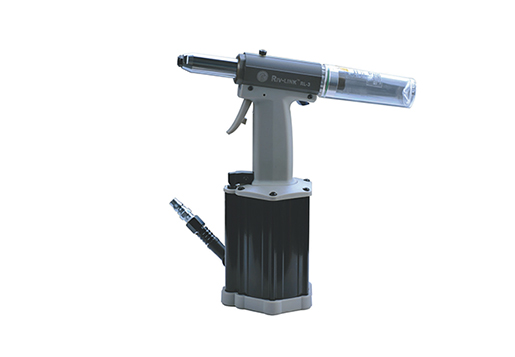
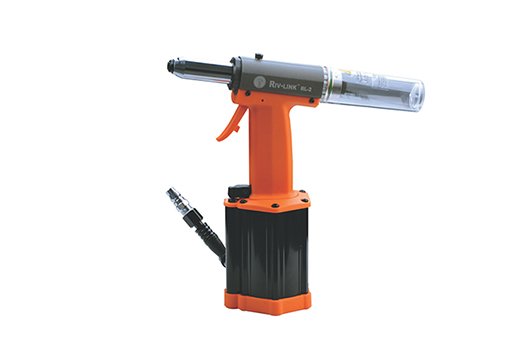
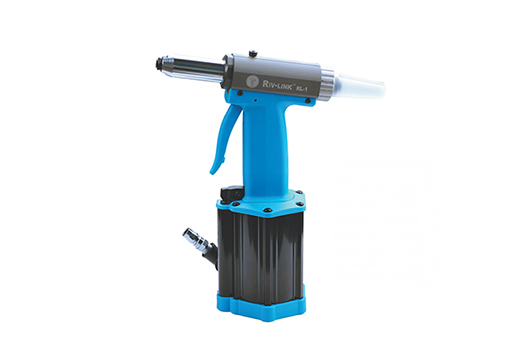
Proper installation is the cornerstone of fastener performance. The process involves drilling a hole to the specified diameter, threading the rivet nut onto the mandrel of a specialized setting tool, and inserting it into the hole. As the tool pulls the mandrel back, the unthreaded portion of the shank collapses (or bulges) against the backside of the material, creating a permanent flange. Because this is a cold-forming process, it does not damage painted or treated surfaces, unlike welding.
| Thread Size | Hole Size (mm) | Typical Grip Range (mm) |
| M4 | 6.0 | 0.5 - 2.5 |
| M6 | 9.0 | 0.5 - 3.0 |
| M8 | 11.0 | 1.0 - 3.5 |
| M10 | 13.0 | 1.0 - 4.0 |
Steel open type blind rivet nuts are utilized across a wide spectrum of industries due to their reliability and ease of use. In the automotive industry, they are used to attach trim pieces, roof racks, and dashboard components to thin sheet metal panels. In the electronics sector, they provide secure mounting points within server racks and enclosures. They are also widely adopted in the manufacture of metal furniture, appliances, and aerospace components where lightweight materials require reinforced threading points for assembly and maintenance disassembly.
Copyright © Steady Industrial Fasteners Co., Ltd. All Rights Reserved China Blind Rivet Nuts Manufacturers Self-Clinching Factory
