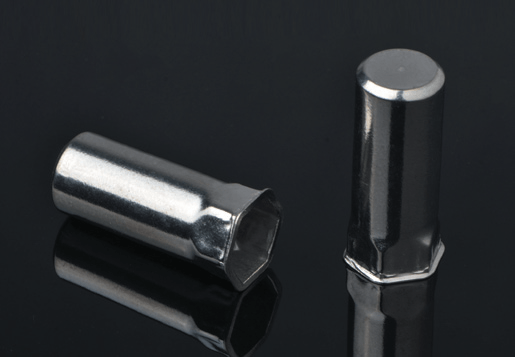
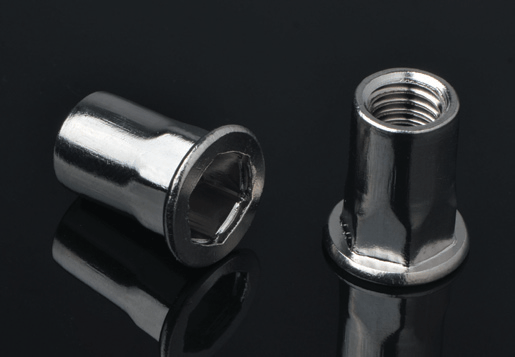
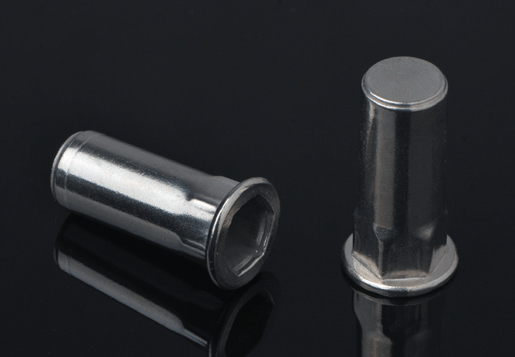
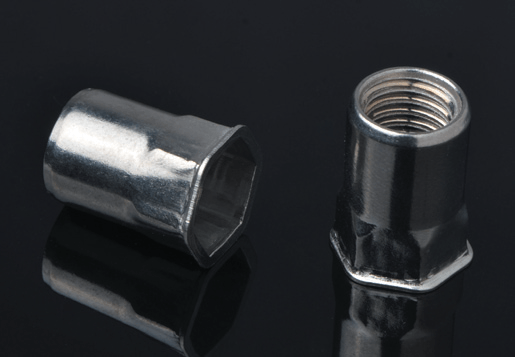
We welcome you to contact us, STEADY not only your reliable supplier, but also your turstworthy business partner.
 +(86)-133 8863 9264
Jan 21,2026
Content
Self-Chinching is a mechanical fastening technology designed to permanently install fasteners into thin or ductile sheet metal without welding or adhesives. By applying controlled pressing force, the fastener displaces the base material and locks itself in place, forming a strong mechanical bond. This process preserves the integrity of the sheet while creating durable threads or mounting points where traditional tapping is not feasible.
During installation, a Self-Chinching fastener is pressed into a pre-punched or drilled hole using a parallel squeezing force, typically from a press or insertion machine. The fastener’s specially designed serrations, knurls, or undercuts allow the surrounding metal to cold-flow into these features. Once the pressure is released, the fastener becomes an integral part of the sheet, resisting rotation and pull-out under load.
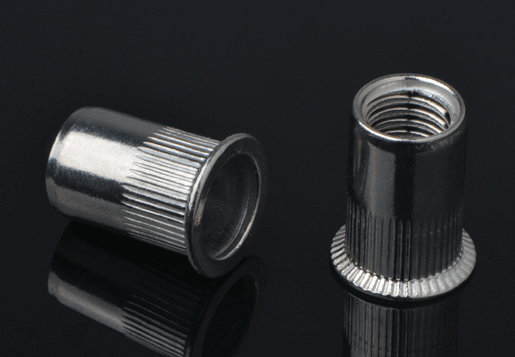
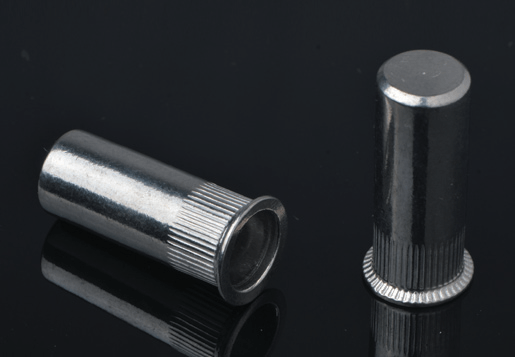
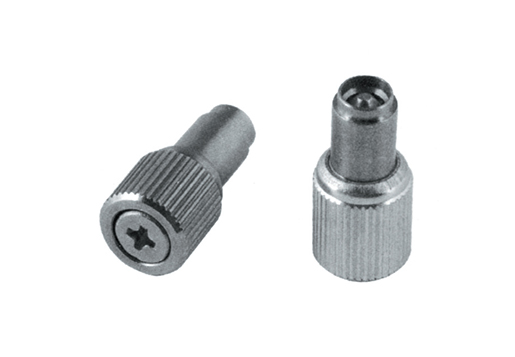
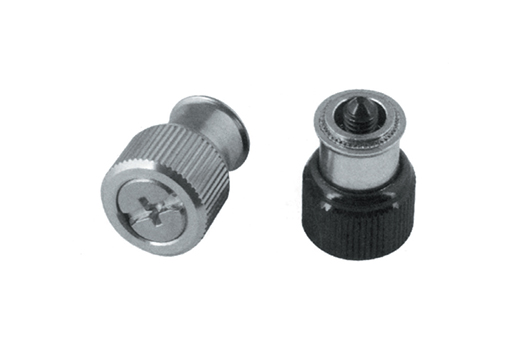
Self-Chinching fasteners are available in multiple configurations to address different functional needs in sheet metal assemblies. Each type is engineered to provide specific mechanical advantages depending on load, space, and assembly requirements.
| Fastener Type | Primary Function | Typical Applications |
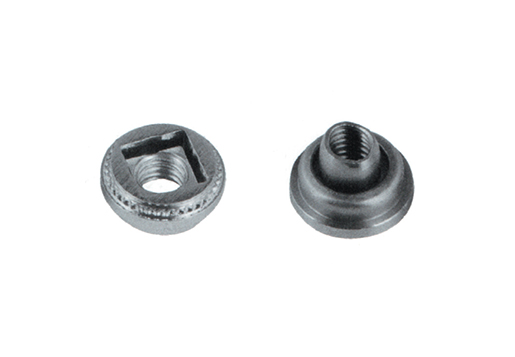
| Self-Chinching Nuts | Provide strong internal threads | Electrical enclosures, panels |
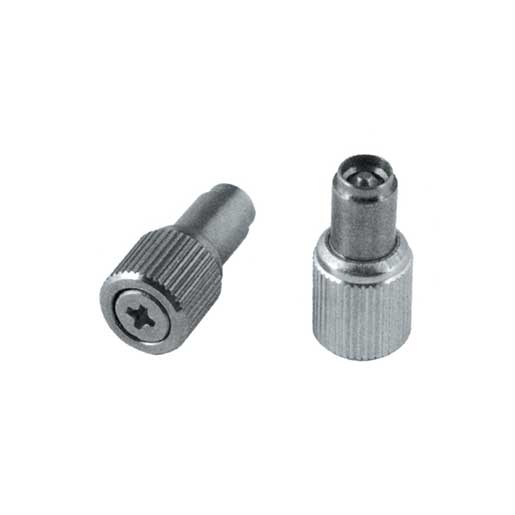
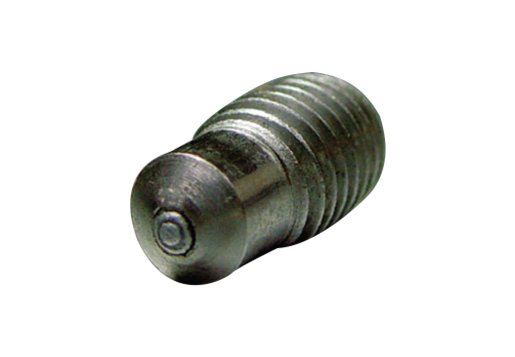
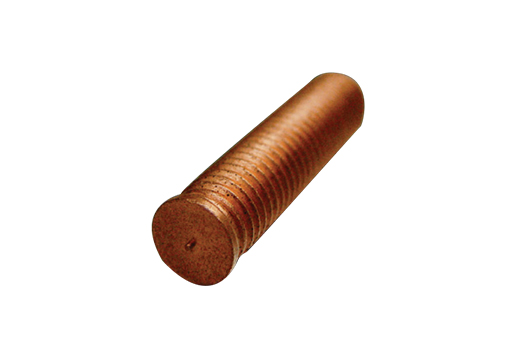
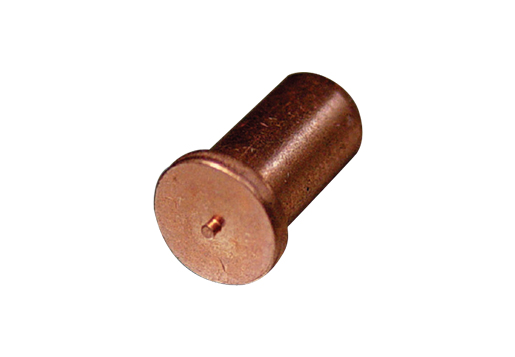
| Self-Chinching Studs | Create permanent external threads | Chassis, mounting frames |
| Self-Chinching Standoffs | Provide spacing and alignment | PCB mounting, control boxes |
Self-Chinching fasteners are most effective in ductile materials such as mild steel, aluminum, and certain stainless steels. Designers must evaluate sheet thickness, hardness, and coating requirements early in the design phase to ensure proper clinching performance. Insufficient material thickness or excessive hardness can lead to incomplete installation or reduced holding strength.
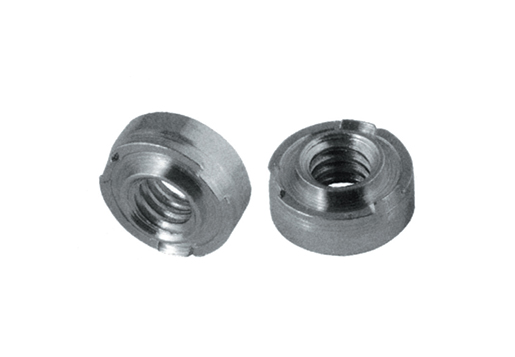
Compared with welding or loose hardware, Self-Chinching fasteners offer consistent installation quality, reduced assembly time, and improved aesthetics. Because they become part of the sheet, they eliminate the risk of fastener loss and allow repeated assembly and disassembly without degrading thread strength.
Self-Chinching technology is widely adopted in industries that demand compact, reliable, and high-strength fastening in thin materials. Applications include electronic housings, telecommunications equipment, automotive panels, medical devices, and industrial control cabinets where precision and durability are critical.
Copyright © Steady Industrial Fasteners Co., Ltd. All Rights Reserved China Blind Rivet Nuts Manufacturers Self-Clinching Factory



 EN
EN  English
 русский
 한국어
한국어 عربى
عربى Türk
Türk