We welcome you to contact us, STEADY not only your reliable supplier, but also your turstworthy business partner.
 +(86)-133 8863 9264
Feb 11,2026
Content
Self-clinching fasteners are specifically designed to provide strong, permanent threads or mounting points in thin sheet metal where traditional tapping or welding is impractical. By pressing into ductile materials such as steel, aluminum, or stainless steel, these fasteners displace the base material to lock themselves securely in place without damaging the sheet.
Unlike screws or rivets, self-clinching fasteners require no secondary operations like tapping, welding, or adhesives. They are installed using a controlled pressing force that causes the surrounding metal to flow into a specially designed undercut on the fastener body, creating a high-strength mechanical interlock.
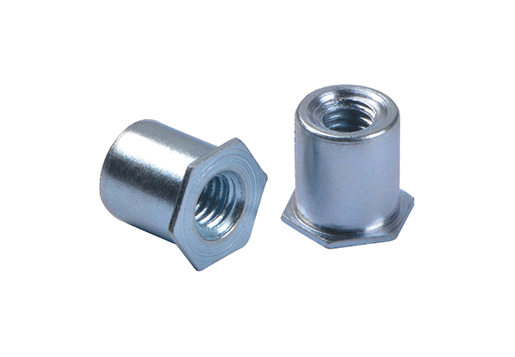
Self-clinching fasteners come in several variations, each designed to solve a specific assembly challenge in sheet metal fabrication. Selecting the right type improves load capacity, assembly speed, and long-term reliability.
| Fastener Type | Primary Function | Typical Applications |
| Self-Clinching Nuts | Permanent internal threads | Electrical enclosures, panels |
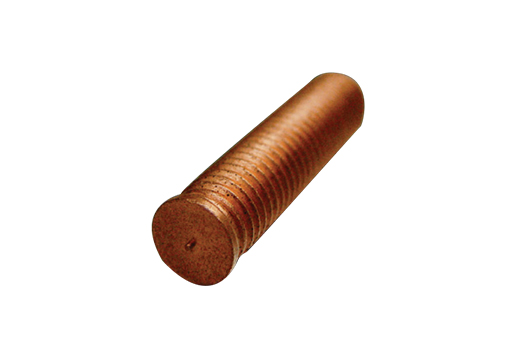
| Self-Clinching Studs | External mounting points | Automotive brackets, frames |
| Self-Clinching Standoffs | Spacing and alignment | PCB mounting, electronics |
Compared with welding or threaded inserts, self-clinching fasteners provide cleaner installation, lower heat distortion, and repeatable quality. They also reduce labor costs and eliminate post-processing steps, making them especially attractive for high-volume production environments.
Copyright © Steady Industrial Fasteners Co., Ltd. All Rights Reserved China Blind Rivet Nuts Manufacturers Self-Clinching Factory



 EN
EN  English
 русский
 한국어
한국어 عربى
عربى Türk
Türk