

 EN
EN  English
 русский
 한국어
한국어 عربى
عربى Türk
Türk
Home / News / The Engineer’s Guide to Internal Threaded Studs: Maximizing Strength in Blind Hole Fastening
We welcome you to contact us, STEADY not only your reliable supplier, but also your turstworthy business partner.
 +(86)-133 8863 9264
Feb 03,2026
Content
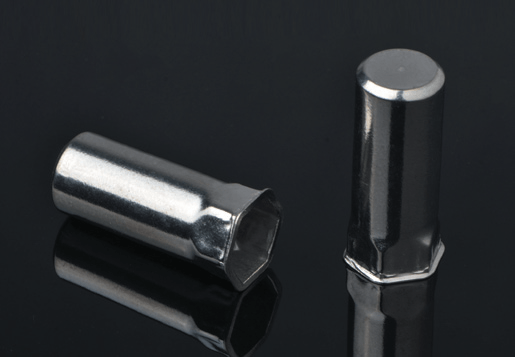
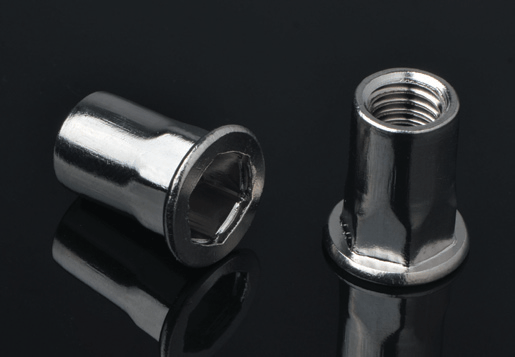
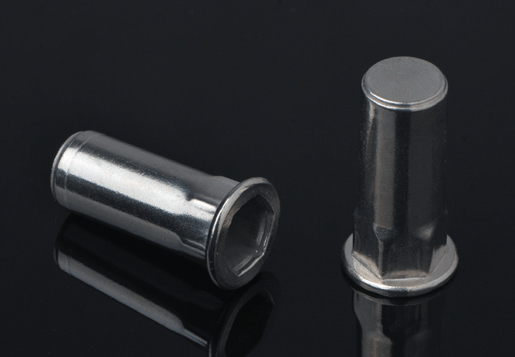
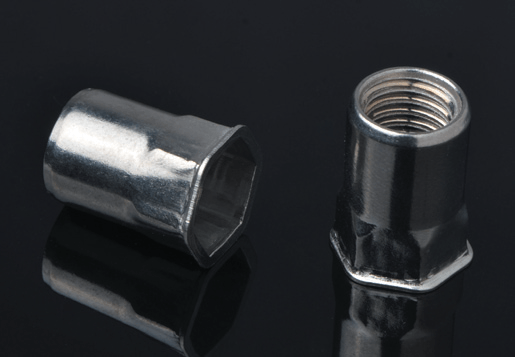
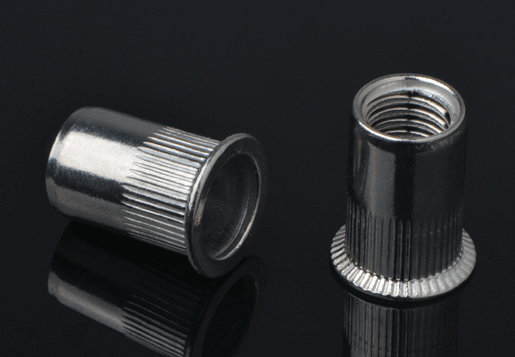
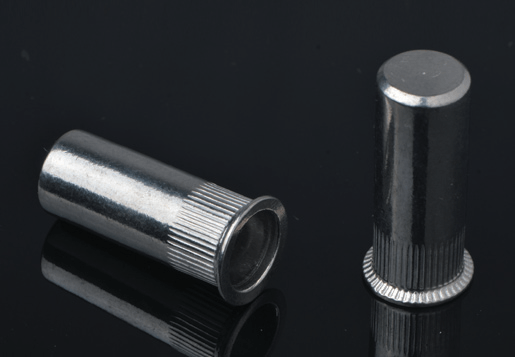
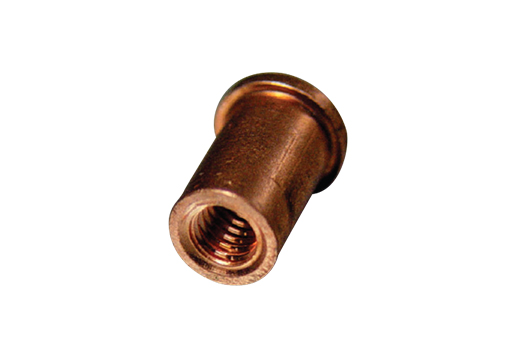
Internal threaded studs, often referred to as female threaded studs or standoff studs, are specialized fasteners designed to provide a secure anchoring point within a workpiece. Unlike standard bolts that feature external threads, these components possess a hollow, internally threaded shank. This design is particularly critical when you need to attach a secondary component using a screw or male bolt, but the base material is too thin or too brittle to support direct tapping. They are widely utilized in electronics, automotive assemblies, and heavy machinery where space optimization and high-torque retention are paramount.
The primary advantage of using internal threaded studs is the ability to create a "blind" fastening point. Because the external portion of the stud is often welded, pressed, or bonded to the surface, the internal threads remain protected and clean. This allows for repeated assembly and disassembly without the risk of stripping the base material. When selecting a stud, engineers must consider the "thread engagement length," which is the depth the male fastener travels into the stud to ensure load distribution is handled effectively by the internal walls.
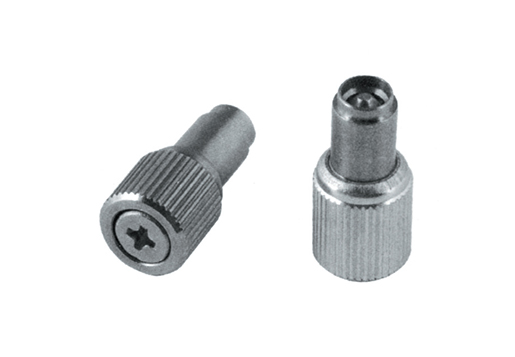
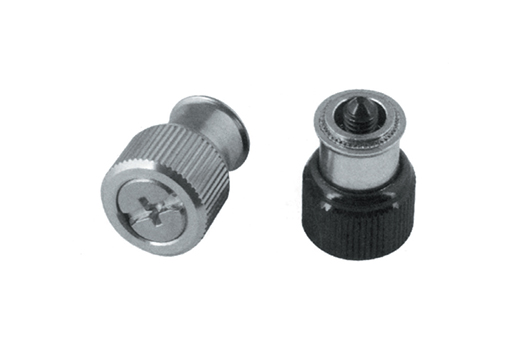
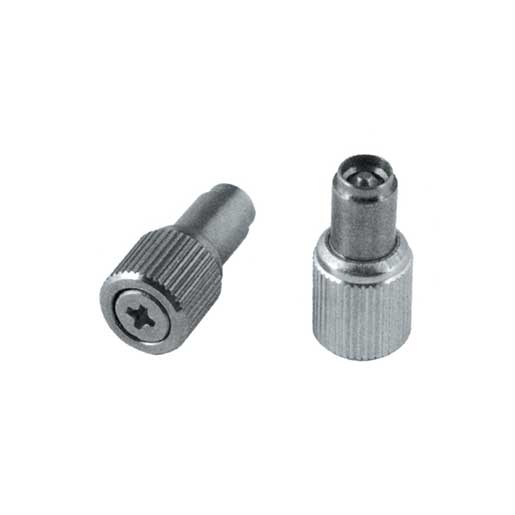
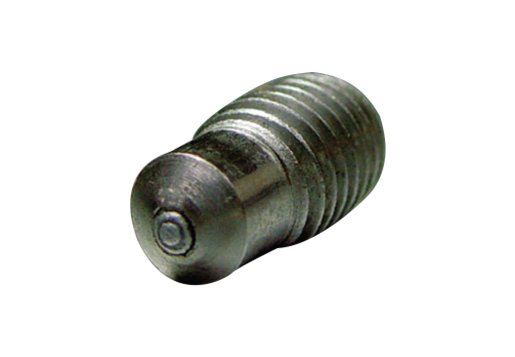
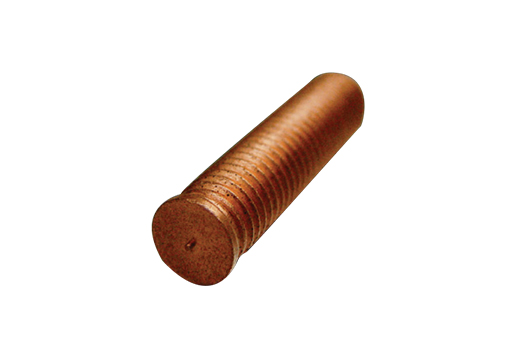
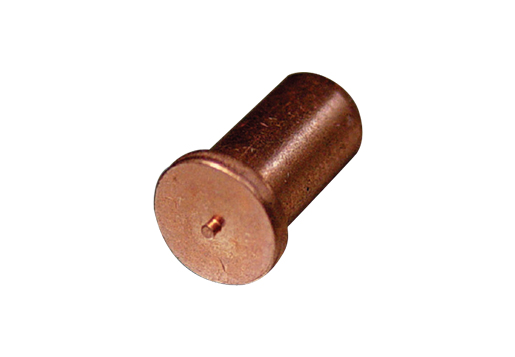
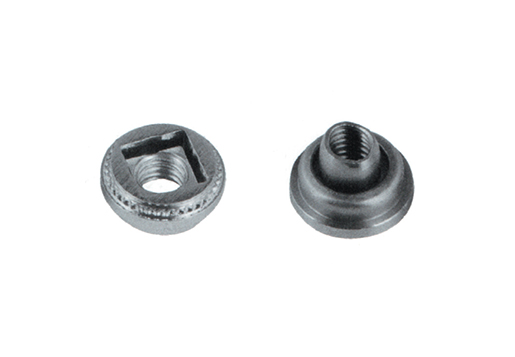
The method by which an internal threaded stud is attached to the parent material defines its structural integrity. Capacitive Discharge (CD) weld studs are commonly used on thin-gauge metals; they utilize a high-voltage pulse to create an instantaneous weld without causing significant heat distortion on the reverse side. In contrast, self-clinching internal studs are designed for ductile metals like aluminum or cold-rolled steel. These are pressed into a pre-drilled hole, causing the metal to cold-flow into a displacement groove, effectively locking the stud against both torque-out and pull-out forces.
Choosing the right alloy for your threaded stud is as important as the thread pitch itself. Stainless steel (300 series) is the industry standard for corrosion resistance, making it ideal for marine or medical environments. For high-strength applications where weight is a concern, heat-treated carbon steel provides excellent tensile strength, though it typically requires zinc or nickel plating to prevent oxidation. Aluminum internal studs offer the best weight-to-strength ratio for aerospace applications but require careful torque management to avoid deforming the internal threads during installation.
To ensure the longevity of an assembly, it is vital to match the stud's internal thread size with the expected axial and shear loads. The following table highlights common specifications for standard industrial internal threaded studs:
| Stud Type | Common Thread Sizes | Typical Application | Primary Material |
| Female Weld Stud | M3 to M10 | Sheet Metal Enclosures | Mild Steel / Stainless |
| Self-Clinching Standoff | #4-40 to 1/4-20 | PCB Mounting | Aluminum / Steel |
| Heavy Duty Blind Stud | M8 to M16 | Automotive Chassis | Grade 8 Alloy Steel |
When integrating internal threaded studs into a production workflow, adhering to specific design tolerances prevents premature failure. Following these guidelines ensures a robust connection:
Finally, always verify the minimum wall thickness of the base material. If the material is too thin, the internal threaded stud may "bulge" or distort during the installation of the male screw, leading to a compromised joint. By selecting the correct mounting style and material, these studs provide a reliable, high-performance solution for complex fastening challenges.
Copyright © Steady Industrial Fasteners Co., Ltd. All Rights Reserved China Blind Rivet Nuts Manufacturers Self-Clinching Factory
