We welcome you to contact us, STEADY not only your reliable supplier, but also your turstworthy business partner.
 +(86)-133 8863 9264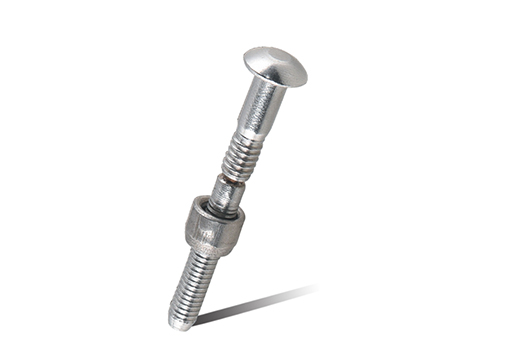
Feb 25,2026
Content
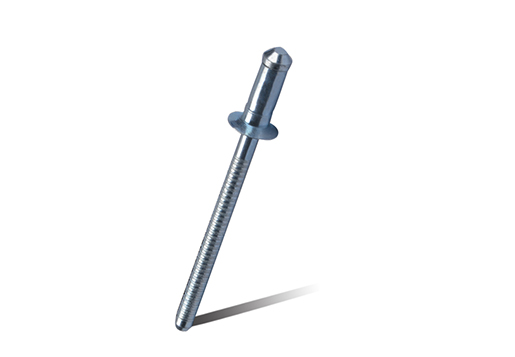
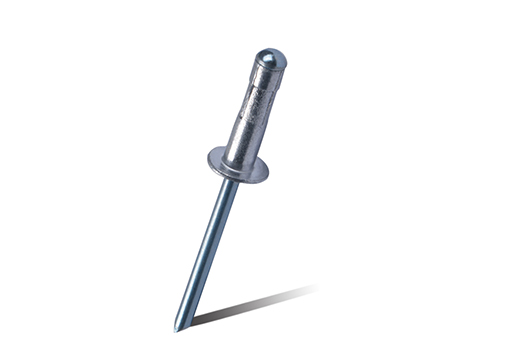
A blind rivet, also commonly called a pop rivet, is a mechanical fastener designed for situations where only one side of the workpiece is accessible. Unlike traditional solid rivets that require access to both sides, blind rivets can be installed from the front side only, making them extremely practical for closed profiles, hollow sections, and assembled structures.
Blind rivets are widely used in metal fabrication, automotive assembly, HVAC systems, electronics enclosures, furniture manufacturing, and even DIY repairs. Their popularity comes from fast installation, consistent fastening quality, and minimal skill requirements compared with welding or tapping.
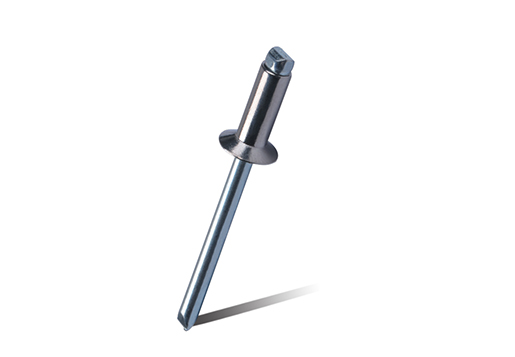
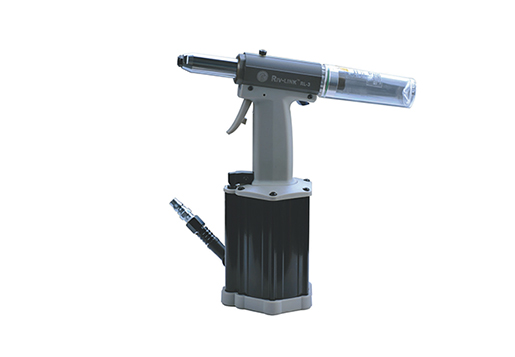
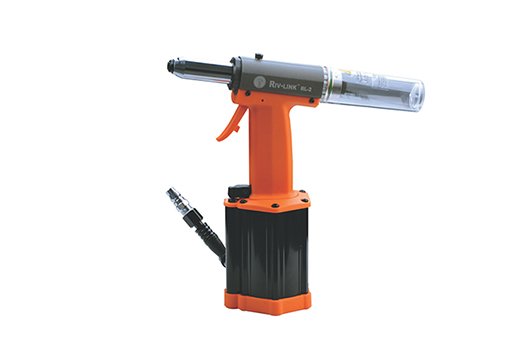
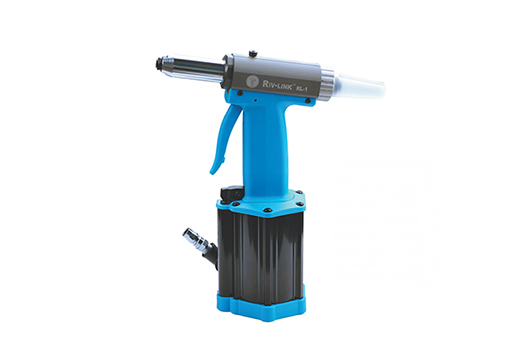
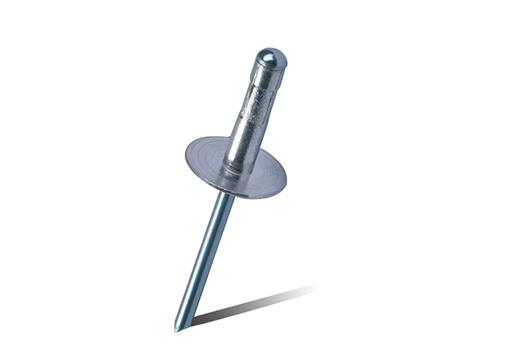
A standard blind rivet consists of two parts: the rivet body (shell) and the mandrel (stem). During installation, the rivet body is inserted into a pre-drilled hole, and a rivet gun pulls the mandrel backward. This action expands the tail of the rivet body on the blind side, clamping the materials together securely.
Once the required clamping force is reached, the mandrel snaps at a predefined break point, leaving a clean and secure joint. This controlled deformation ensures reliable fastening even when the installer cannot see the backside of the joint.
Different blind rivet types are engineered for specific load requirements, materials, and environmental conditions. Choosing the right type is essential for long-term performance.
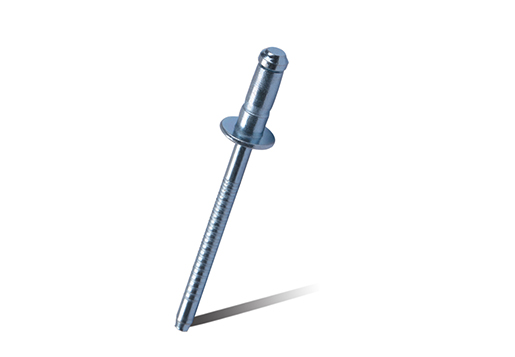
Blind rivets are available in various materials to match different strength, corrosion resistance, and weight requirements. Selecting the correct material helps prevent galvanic corrosion and ensures joint durability.
| Rivet Material | Key Characteristics | Typical Applications |
| Aluminum | Lightweight, corrosion resistant | Electronics, light panels |
| Steel | High strength, economical | Automotive, machinery |
| Stainless Steel | Excellent corrosion resistance | Marine, outdoor equipment |
Choosing the correct blind rivet size involves matching both diameter and grip range to your application. The diameter affects shear strength, while the grip range determines whether the rivet can properly clamp the combined thickness of the materials.
As a general rule, the rivet diameter should be at least three times the thickness of the thickest sheet being joined. The grip range must fully cover the total material thickness to avoid loose joints or incomplete deformation.
Correct installation is critical to achieving the full strength of a blind rivet. Even high-quality rivets can fail if installed incorrectly.
Blind rivets excel in applications where speed, consistency, and one-sided access are critical. They are especially effective in thin materials where tapping threads is impractical or welding could cause distortion.
From sheet metal enclosures and ventilation ducts to vehicle body panels and appliance housings, blind rivets provide a clean, vibration-resistant fastening solution with minimal equipment requirements.
Copyright © Steady Industrial Fasteners Co., Ltd. All Rights Reserved China Blind Rivet Nuts Manufacturers Self-Clinching Factory



 EN
EN  English
 русский
 한국어
한국어 عربى
عربى Türk
Türk