We welcome you to contact us, STEADY not only your reliable supplier, but also your turstworthy business partner.
 +(86)-133 8863 9264
Feb 18,2026
Content
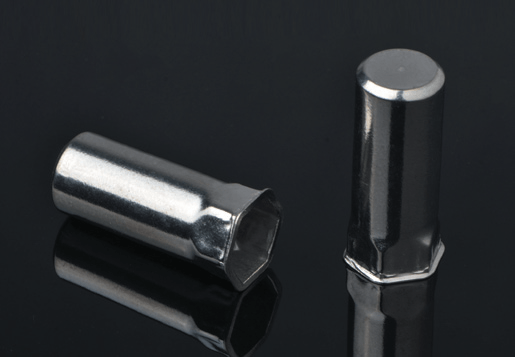
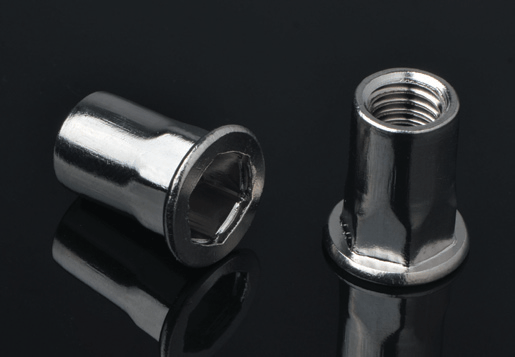
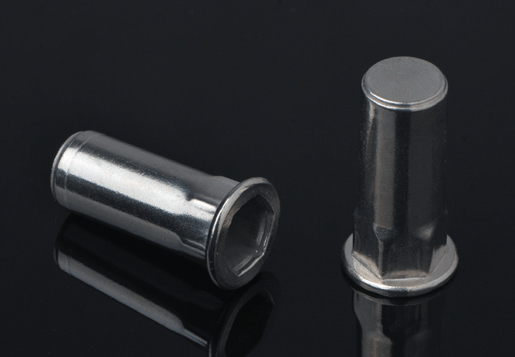
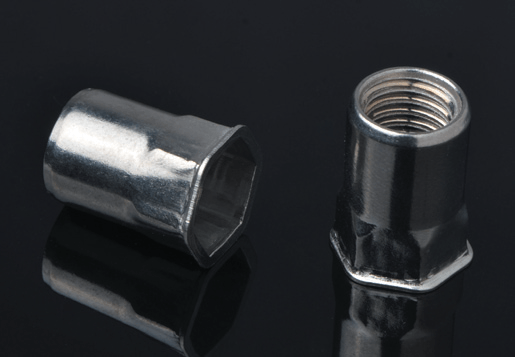
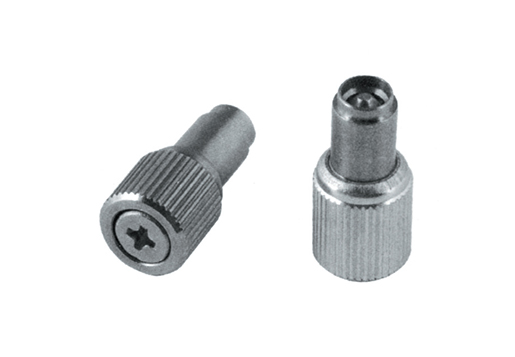
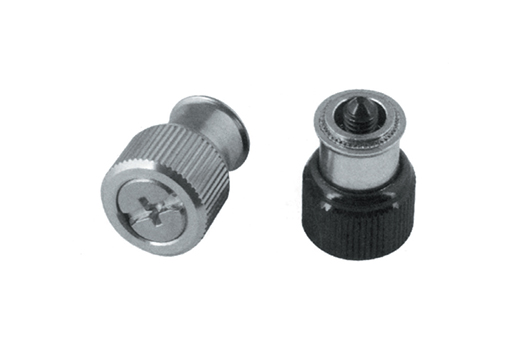
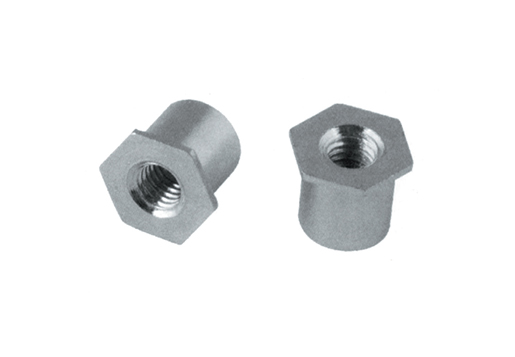
Thin sheet metal does not provide enough material depth for conventional threads, leading to stripping, pull-out, or inconsistent torque performance. Self-clinching fasteners solve this limitation by creating a load-bearing joint that relies on material displacement rather than thread depth.
Once installed, self-clinching fasteners become a permanent part of the sheet metal, offering excellent resistance to torque-out, push-out, and vibration. This makes them ideal for applications where reliability and long-term durability are critical.
To maximize performance, engineers must account for material hardness, sheet thickness, and hole placement during the design phase. Ignoring these factors can reduce retention strength or cause installation defects.
| Design Factor | Recommended Practice |
| Material Hardness | Sheet must be softer than fastener |
| Hole Tolerance | Follow manufacturer specifications |
| Edge Distance | Avoid deformation near edges |
Self-clinching fasteners are widely used across industries that demand lightweight structures, clean finishes, and fast assembly. Their ability to integrate seamlessly into sheet metal designs makes them a standard solution in modern manufacturing.
Copyright © Steady Industrial Fasteners Co., Ltd. All Rights Reserved China Blind Rivet Nuts Manufacturers Self-Clinching Factory



 EN
EN  English
 русский
 한국어
한국어 عربى
عربى Türk
Türk