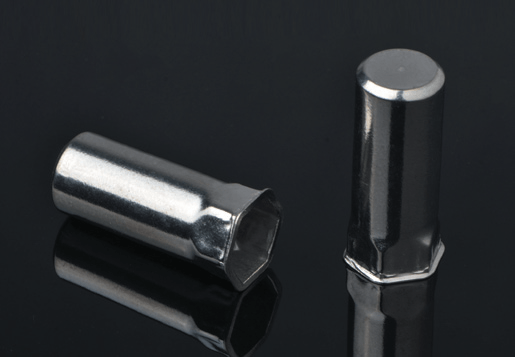
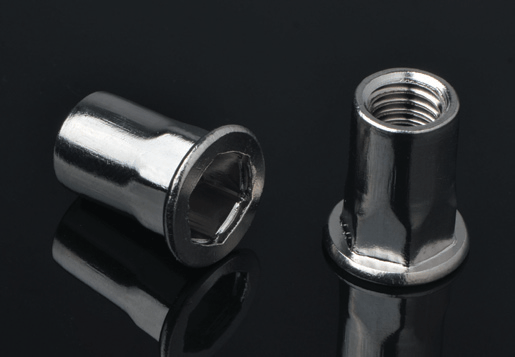
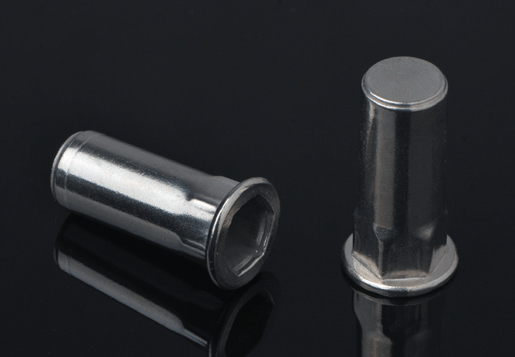
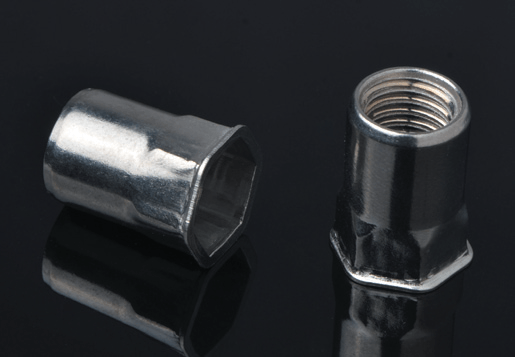
We welcome you to contact us, STEADY not only your reliable supplier, but also your turstworthy business partner.
 +(86)-133 8863 9264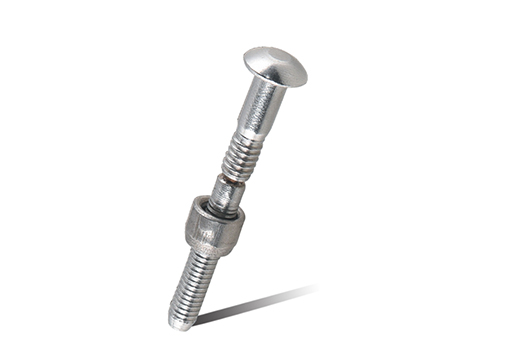
Jan 04,2026
In the world of modern manufacturing and construction, the ability to join materials together securely and efficiently is paramount. While most people are familiar with screws, bolts, and nails, there is a specialized class of fasteners designed for situations where you can only access one side of a structure. Among these, the Grooved Type Blind Rivet stands out as a high-performance solution for demanding applications.
Content
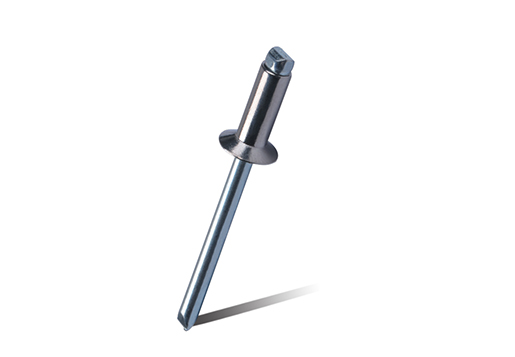
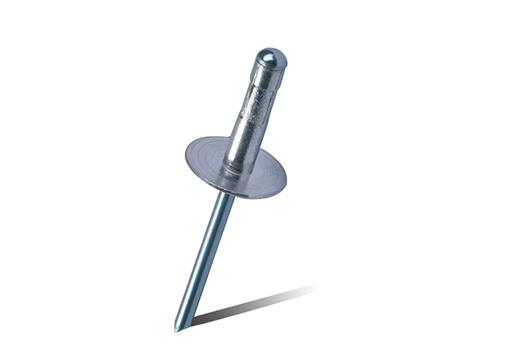
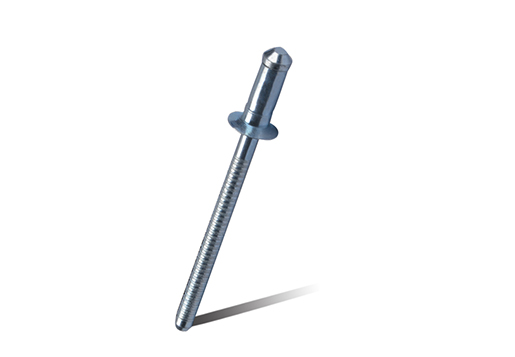
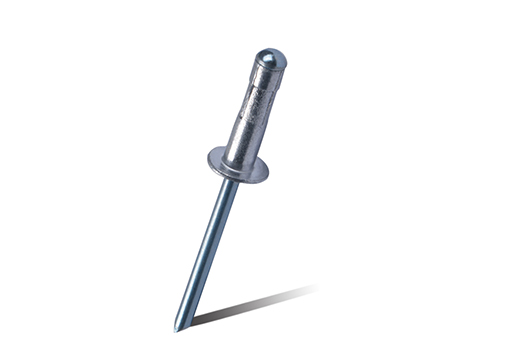
A blind rivet, commonly known as a "pop" rivet, consists of two main parts: a hollow rivet body and a solid central mandrel. The "blind" aspect refers to the fact that these fasteners can be installed when the back side of the workpiece is invisible or inaccessible.
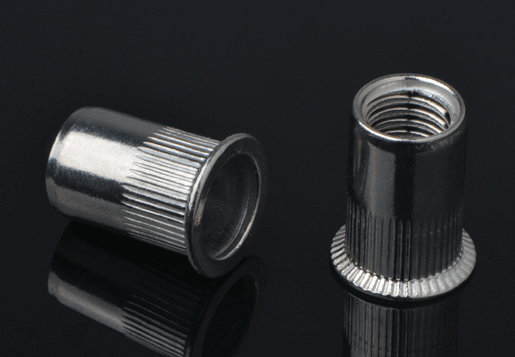
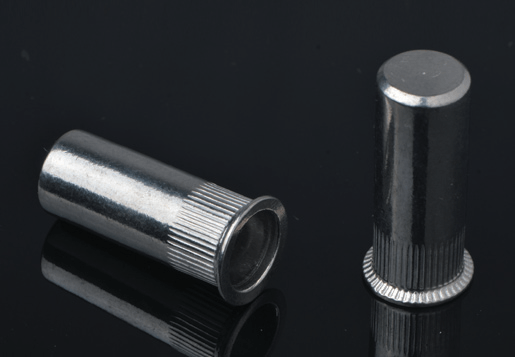
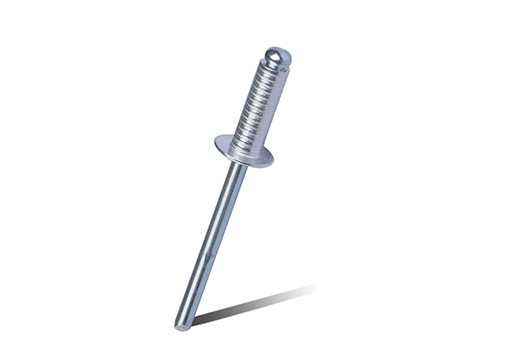
The Grooved Type Blind Rivet is a specific variation characterized by a series of annular grooves along the exterior of the rivet body. Unlike standard smooth-bodied rivets that rely on the formation of a "bulb" on the blind side to stay in place, the grooved design is engineered to bite directly into the material it is being installed into.
The installation of these rivets is a fascinating example of mechanical engineering simplicity:
Preparation: A hole is pre-drilled through the materials to be joined.
Insertion: The rivet body is placed through the hole, with the mandrel pointing toward the operator.
Setting: Using a specialized rivet tool, the mandrel is pulled back through the rivet body.
Deformation: As the mandrel head is pulled in, it expands the rivet body. In a Grooved Type Blind Rivet, these grooves expand and "lock" into the walls of the hole.
Completion: Once the joint is tight, the mandrel snaps off at a predetermined break point, leaving a clean, permanent finish.
The unique design of the grooved body offers several distinct advantages that make it a favorite in heavy-duty industries.
One of the primary challenges in assembly is joining metal to softer materials like wood, plastics, or fiberglass. Standard rivets may slip or fail to create a tight seal in these materials. The Grooved Type Blind Rivet solves this by using its ridges to create a mechanical interlock within the material fibers or the hole walls, preventing the rivet from rotating or pulling out.
In industries like automotive manufacturing or aerospace, vibration is a constant threat to structural integrity. Screws can back out over time, but the expanded grooved body creates such a tight friction fit that it remains secure even under constant mechanical stress.
Because these rivets expand within the hole rather than relying solely on a large tail on the opposite side, they are ideal for "blind hole" applications—where the hole does not go all the way through the second piece of material.
Due to their reliability and specialized grip, you will find these fasteners in a variety of surprising places:
They are frequently used in the installation of metal roofing, cladding, and signage. Their ability to hold fast in diverse weather conditions and resist shearing makes them ideal for outdoor structures.
In the production of metal-to-wood furniture, the Grooved Type Blind Rivet provides a permanent bond that is much harder to tamper with than traditional screws, offering both aesthetic and structural benefits.
From securing interior panels in buses to attaching components in trailers, these rivets help reduce the overall weight of the vehicle while maintaining the strength required for long-haul durability.
Grooved Type Blind Rivet units are manufactured in various materials to suit different environments. Aluminum rivets are popular for their lightweight and corrosion-resistant properties, making them perfect for consumer electronics and light machinery. For heavy-duty industrial use, steel or stainless steel variants are used to provide maximum shear and tensile strength.
When selecting a rivet, engineers must consider the "grip range"—the total thickness of the materials being joined—to ensure the grooves engage correctly for a safe and lasting hold.
Copyright © Steady Industrial Fasteners Co., Ltd. All Rights Reserved China Blind Rivet Nuts Manufacturers Self-Clinching Factory



 EN
EN  English
 русский
 한국어
한국어 عربى
عربى Türk
Türk