We welcome you to contact us, STEADY not only your reliable supplier, but also your turstworthy business partner.
 +(86)-133 8863 9264
Mar 04,2026
Self-clinching fasteners have revolutionized how manufacturers attach components to thin sheet metal. These specialized fasteners permanently install into metal sheets by using a press to displace the host material around the fastener shank, creating a strong mechanical bond that won't loosen, rotate, or fall out. Whether you're working on electronics enclosures, automotive panels, or industrial equipment, understanding self-clinching technology can dramatically improve your assembly quality and efficiency.
Content
Self-clinching fasteners are permanent fastening solutions designed specifically for thin sheet metal applications where traditional welding, riveting, or tapping isn't practical or effective. The term "clinching" refers to the installation process where the fastener is pressed into a pre-punched or drilled hole, causing the host metal to flow into a special groove or undercut in the fastener's shank.
The magic happens during installation when you apply force using a press or squeeze tool. The fastener features a serrated or knurled head that grips the sheet metal surface, preventing rotation. As pressure increases, the metal around the hole displaces into the fastener's clinching ring or groove. This cold-forming process creates a permanent mechanical interlock that's incredibly strong and resistant to pullout forces.
What makes these fasteners particularly valuable is their ability to provide reusable threads in materials too thin for conventional tapping. A standard tapped hole in thin gauge metal might only engage two or three threads, leading to weak connections that strip easily. Self-clinching fasteners, on the other hand, bring their own robust thread structure that can be assembled and disassembled repeatedly without degradation.
The installation process is remarkably clean and efficient. Unlike welding, there's no heat distortion, spatter, or finishing required. Unlike adhesives, there's no curing time or environmental concerns. The fastener installs in seconds and is immediately ready for use, making it perfect for high-volume production environments where speed and consistency matter.
The self-clinching fastener family includes numerous variations, each designed for specific applications and requirements. Understanding these different types helps you select the right fastener for your particular needs.
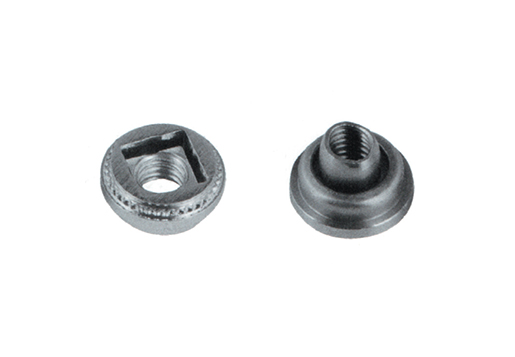
Self-clinching nuts are probably the most common type you'll encounter. These nuts install flush or near-flush with the sheet metal surface and provide permanent internal threads for bolts or screws. They come in various styles including round, hexagonal, and square body shapes. The round types are easiest to install and work in any orientation, while hex and square bodies provide anti-rotation features for applications where the nut might be subjected to torque.
Self-clinching studs provide external threads projecting from the sheet metal surface. They're ideal when you need to attach components from the opposite side of the panel or when space constraints prevent access to both sides during assembly. Studs are available in various lengths and thread sizes, and they can be installed flush, extended, or even recessed depending on your design requirements.
Standoffs create precise spacing between components or circuit boards. They're essentially threaded spacers that clinch into the base panel and provide mounting points at a fixed distance from the surface. Electronics manufacturers rely heavily on standoffs for circuit board mounting, creating air gaps for cooling and electrical isolation.
These fasteners don't provide threads but instead offer precise positioning and alignment. Locating pins help ensure components assemble in exactly the right position every time, which is critical for maintaining tight tolerances in complex assemblies. Some designs incorporate spring-loaded mechanisms for component retention without threaded fasteners.
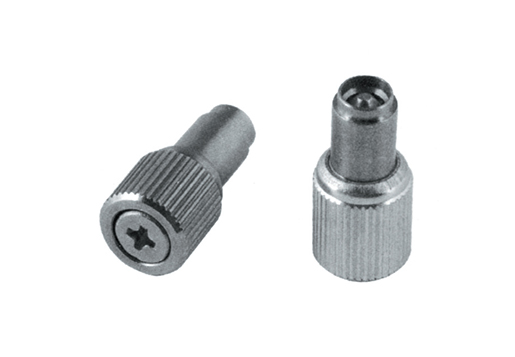
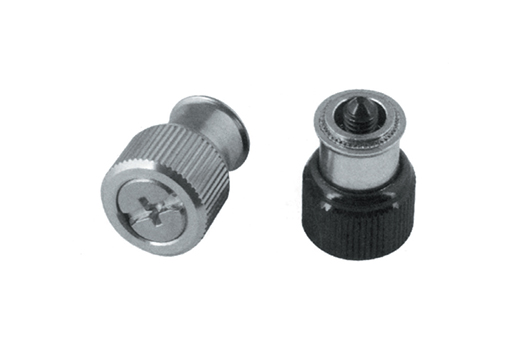
Self-clinching panel fasteners include captive screws, quarter-turn fasteners, and quick-release mechanisms that permanently install in the panel but allow tool-free access to enclosures. These are popular in electronics and telecommunications equipment where technicians need regular access for maintenance.
Self-clinching fasteners are manufactured from various materials to match different application requirements, environmental conditions, and host metal types. Choosing the right material combination ensures optimal performance and longevity.
| Material | Properties | Best Applications |
| Carbon Steel | High strength, economical, requires plating for corrosion resistance | General industrial use, indoor applications, high-load situations |
| Stainless Steel (300 Series) | Excellent corrosion resistance, non-magnetic, good strength | Food processing, medical devices, marine environments |
| Aluminum | Lightweight, naturally corrosion resistant, lower strength | Electronics, aerospace, weight-critical assemblies |
| Brass | Electrically conductive, decorative appearance, good machinability | Electrical grounding, EMI shielding, decorative panels |
| Stainless Steel (400 Series) | Magnetic, harder than 300 series, good corrosion resistance | Automotive, appliances, moderate corrosion environments |
Beyond base materials, finish options add another layer of customization. Zinc plating provides economical corrosion protection for carbon steel fasteners. Passivation enhances stainless steel's natural corrosion resistance. Anodizing aluminum fasteners improves surface hardness and allows color coding. Some manufacturers offer specialized coatings like zinc-nickel for extreme environments or thin dense chrome for applications requiring low friction and superior corrosion protection.
Proper installation is critical for self-clinching fasteners to achieve their full performance potential. While the process seems straightforward, attention to detail makes the difference between a secure, permanent installation and one that fails prematurely.
The hole preparation is your first critical step. The hole diameter must match the fastener specifications exactly. Too small and the fastener won't install properly or may damage the sheet metal. Too large and the clinching action won't create adequate material displacement for a strong bond. Manufacturers provide precise hole size recommendations for each fastener type and sheet thickness combination.
Sheet metal thickness is equally important. Each self-clinching fastener is rated for specific material thickness ranges. Using a fastener in metal that's too thin results in breakthrough where the displaced material pushes through the opposite side. Too thick and the material won't displace adequately into the clinching features. Always consult the manufacturer's charts to match fastener specifications with your sheet metal gauge.
Installation force requirements vary by fastener size, type, and material hardness. Manual installation works for small quantities using arbor presses or hand squeeze tools. Production environments typically use pneumatic presses, servo-electric presses, or dedicated insertion machines. The key is applying straight, even pressure perpendicular to the sheet surface. Angled installation can damage the fastener or create weak joints.
Self-clinching fasteners offer numerous benefits that make them superior to traditional fastening approaches in many applications. Understanding these advantages helps justify their use and optimize your design choices.
The permanent installation nature eliminates the risk of fasteners falling out during shipping or assembly. Unlike loose hardware that can vibrate free, self-clinching fasteners become an integral part of the panel structure. This is particularly valuable in applications subject to vibration like automotive, aerospace, or industrial machinery where loose fasteners can cause catastrophic failures.
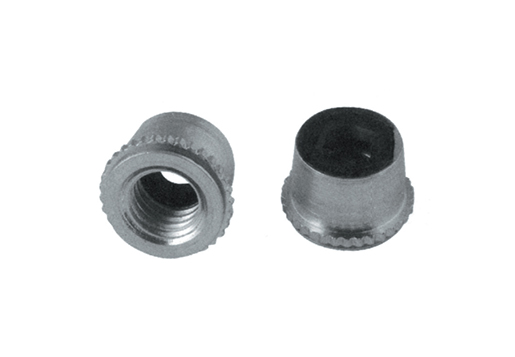
Thread strength and reusability far exceed what's possible with tapped holes in thin metal. A tapped hole in 0.062 inch aluminum might only provide two full thread engagement, leading to stripping with modest torque. A self-clinching nut in the same material provides full thread engagement with pullout strengths exceeding 1000 pounds and can be assembled and disassembled hundreds of times without thread degradation.
The installation process is clean, fast, and requires no special skills. Welding requires trained operators, creates hazardous fumes, and often distorts thin materials. Riveting provides permanent attachment but no reusability and often requires access to both sides of the assembly. Self-clinching installation takes seconds, produces no fumes or sparks, and can be performed by anyone with minimal training.
Cost effectiveness improves dramatically at production volumes. While individual self-clinching fasteners cost more than basic nuts or screws, the total assembly cost often drops significantly. You eliminate secondary operations like welding or tapping, reduce labor time, minimize rework from stripped threads, and decrease warranty claims from loose or missing hardware.
Self-clinching fasteners have become indispensable across a wide range of industries, each taking advantage of their unique capabilities to solve specific assembly challenges.
The electronics industry represents one of the largest consumers of self-clinching hardware. Computer chassis, server racks, network equipment, and consumer electronics all rely heavily on these fasteners. The ability to create strong mounting points in thin metal or aluminum enclosures without damaging sensitive components makes them ideal for this application. Circuit board standoffs maintain precise spacing for multi-board assemblies while providing solid grounding connections.
Automotive manufacturers use millions of self-clinching fasteners in everything from body panels to electronic control units. Modern vehicles contain dozens of electronic modules, each housed in metal enclosures that use clinch nuts and studs for assembly. The fasteners withstand the harsh automotive environment including temperature extremes, vibration, and exposure to chemicals while maintaining their integrity throughout the vehicle's lifetime.
Telecommunications equipment depends on self-clinching fasteners for server racks, network switches, and outdoor enclosures. The combination of corrosion resistance from stainless steel fasteners and the ability to create equipment that can be serviced quickly makes them perfect for telecom applications where uptime is critical and technicians need fast access for repairs.
Medical device manufacturing values the clean installation process and the availability of biocompatible materials. Diagnostic equipment, surgical instruments, and patient monitoring devices often feature stainless steel enclosures with self-clinching fasteners that can withstand repeated cleaning and sterilization cycles without degrading.
Aerospace applications demand the highest performance standards, and self-clinching fasteners deliver. Lightweight aluminum fasteners reduce weight while maintaining strength. The permanent installation prevents FOD (foreign object debris) concerns from loose hardware. Many aerospace-grade fasteners include special features like higher strength materials and proprietary designs certified for flight-critical applications.
Incorporating self-clinching fasteners into your designs requires careful planning to maximize their benefits and avoid common pitfalls. These design guidelines help engineers create robust assemblies that take full advantage of clinching technology.
Edge distance matters significantly for installation integrity. Installing a fastener too close to the panel edge can cause the edge to deform or tear during installation as the displaced material has nowhere to go. Most manufacturers recommend a minimum edge distance of two to three times the fastener diameter, though specific requirements vary by fastener type and material thickness.
Fastener spacing affects both strength and installation quality. When multiple fasteners are installed in close proximity, the stress fields from each installation can interact. Too close and you risk material distortion or reduced pullout strength. General guidelines suggest spacing fasteners at least three diameters apart center-to-center, but always verify with your specific fastener manufacturer's recommendations.
Material compatibility between the fastener and host metal prevents galvanic corrosion and ensures proper clinching. Stainless steel fasteners work well in stainless, aluminum, or steel panels. Aluminum fasteners should only be used in aluminum panels to prevent corrosion. When mixing materials is unavoidable, consider coatings or barrier materials to prevent direct metal-to-metal contact.
| Design Factor | Guideline | Why It Matters |
| Hole Diameter Tolerance | +0.000 / -0.004 inches typical | Ensures proper clinching without breakthrough or weak bonds |
| Sheet Metal Flatness | Within 0.020 inches per foot | Prevents installation issues and ensures flush seating |
| Surface Finish | 125 microinch or better recommended | Smooth surfaces allow better material flow during clinching |
| Bend Radius Proximity | Minimum 3x sheet thickness from bend | Maintains flat installation surface and prevents stress concentration |
| Load Direction | Optimize for tensile loads perpendicular to sheet | Pullout strength exceeds shear strength significantly |
Even with proper planning, installation issues can occur. Recognizing and correcting these problems quickly prevents quality issues and production delays.
Fastener tilting during installation typically indicates misalignment between the punch and hole or inadequate support beneath the panel. The fastener enters at an angle rather than perpendicular, resulting in uneven clinching and reduced strength. Solutions include verifying tooling alignment, ensuring rigid panel support, and checking that holes are clean and burr-free.
Breakthrough occurs when the displaced material punches through the opposite side of the sheet instead of flowing into the clinch groove. This usually means the sheet metal is too thin for the selected fastener, installation force is excessive, or the material is too soft. Switching to a fastener designed for thinner materials or selecting a different fastener style often resolves breakthrough issues.
Incomplete clinching leaves the fastener loose or able to rotate. This happens when installation force is insufficient, the hole is oversized, or the material is too hard for the fastener design. Verify installation force meets manufacturer specifications, check hole diameter against specifications, and consider whether material hardness exceeds the fastener's rating.
Surface distortion around the fastener creates dimples or oil-canning in the panel. This typically results from inadequate support during installation or installing fasteners too close to bends or edges. Using proper anvils and backing support eliminates most distortion problems. When distortion is unavoidable due to design constraints, consider countersunk or flush-head fastener styles that minimize visual impact.
Validating that installed self-clinching fasteners meet performance requirements ensures product reliability and prevents field failures. Several standard tests evaluate fastener installation quality and load-bearing capability.
Pushout testing measures the force required to push the fastener completely through the sheet metal. This test reveals whether proper clinching occurred during installation. Acceptable pushout values vary by fastener type and size but should meet or exceed the manufacturer's published specifications. Low pushout values indicate installation problems like insufficient force, oversized holes, or material incompatibility.
Torque testing determines how much rotational force the fastener can withstand before spinning in the panel. Self-clinching nuts and studs should never rotate regardless of assembly torque up to their rated limits. Testing involves gradually increasing torque while monitoring for any rotation. Failure indicates poor installation, undersized fasteners for the application, or damaged serrations on the fastener head.
Tensile pullout testing applies force perpendicular to the sheet surface to measure maximum load capacity. This test is critical for applications where fasteners experience pulling forces during use. Proper testing uses calibrated equipment and follows standard procedures to ensure repeatable, meaningful results. Many industries have specific pullout strength requirements that must be met for certification.
Visual inspection remains one of the most practical quality control methods for production environments. Trained inspectors look for proper head seating, absence of tilting, uniform clinch ring formation, and no panel distortion. Many companies develop visual standards including cross-sectioned samples showing acceptable and unacceptable installations for operator training and reference.
Understanding the true cost of self-clinching fasteners requires looking beyond the per-piece price to consider total assembly costs, quality improvements, and long-term savings. A comprehensive cost analysis often reveals that higher fastener costs are offset by significant savings elsewhere in the manufacturing process.
Direct material costs for self-clinching fasteners run higher than basic nuts and bolts, typically two to five times more per piece depending on type and volume. However, this comparison ignores the bigger picture. When you factor in eliminated operations, self-clinching often becomes cost-competitive or even less expensive than alternatives.
Labor savings accumulate quickly in production environments. Installing a self-clinching fastener takes just seconds with minimal operator skill required. Compare this to tapping threads which requires drilling, tapping, cleaning, and inspection. Or welding which needs skilled operators, extensive safety equipment, post-weld cleaning, and quality verification. The labor cost difference per assembly can easily exceed the higher fastener cost.
Quality costs decrease substantially with self-clinching technology. Tapped holes in thin metal strip frequently, requiring rework or scrap. Welded attachments can crack or create distortion requiring straightening. Self-clinching installations are highly consistent and reliable, reducing defect rates and warranty claims. The value of reduced scrap and rework alone often justifies the fastener cost premium.
Inventory simplification provides hidden savings. Self-clinching eliminates the need to stock matching nuts, washers, and lock washers for each bolt size. You also eliminate concerns about mixed or lost hardware during assembly. Simplified part numbers and reduced inventory carrying costs contribute to overall cost reduction.
The self-clinching fastener industry continues to evolve with new materials, designs, and applications emerging to meet changing manufacturing needs. Staying aware of these trends helps engineers leverage the latest technology for competitive advantage.
Lightweight materials are driving innovation in fastener design as automotive and aerospace manufacturers pursue aggressive weight reduction targets. New aluminum alloys and engineered polymers challenge traditional fastener materials. Manufacturers are responding with ultra-lightweight fastener designs that maintain strength while minimizing weight. Some experimental fasteners incorporate carbon fiber composites or magnesium alloys for extreme weight savings.
Automation integration is advancing rapidly as manufacturers seek to eliminate manual assembly steps. New self-clinching fastener designs include features specifically for robotic handling and installation. Vision-guided installation systems automatically locate hole positions and install fasteners without human intervention. These systems dramatically increase installation speed and consistency while reducing labor costs.
Smart fasteners with embedded sensors represent an emerging technology for critical applications. Imagine self-clinching nuts that monitor bolt torque and alert when fasteners loosen, or temperature-sensing fasteners for thermal management applications. While still primarily in research and development, these technologies could transform how we monitor and maintain assembled products.
Environmental considerations are influencing material selection and manufacturing processes. Manufacturers are developing fasteners from recycled materials and implementing more sustainable production methods. Lead-free and chrome-free plating alternatives address environmental regulations while maintaining corrosion protection. The industry trend toward circular economy principles means future fasteners will increasingly prioritize recyclability and environmental impact throughout their lifecycle.
Advanced coatings and surface treatments continue to expand the operating envelope for self-clinching fasteners. New coating technologies provide superior corrosion resistance, reduce friction for easier assembly, or add electrical insulation properties. Some coatings incorporate antimicrobial properties for medical and food service applications, while others provide extreme temperature resistance for automotive exhaust systems or industrial ovens.
Copyright © Steady Industrial Fasteners Co., Ltd. All Rights Reserved China Blind Rivet Nuts Manufacturers Self-Clinching Factory



 EN
EN  English
 русский
 한국어
한국어 عربى
عربى Türk
Türk