We welcome you to contact us, STEADY not only your reliable supplier, but also your turstworthy business partner.
 +(86)-133 8863 9264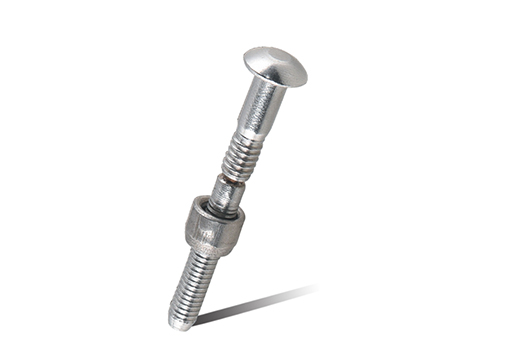
Dec 08,2025
Content
The simple act of joining two or more pieces of material is fundamental to construction, manufacturing, and engineering. While modern techniques like welding get a lot of attention, one of the oldest and most reliable fastening methods is riveting.
A rivet is essentially a smooth, cylindrical shaft with a head on one end. To form a permanent joint, the rivet is inserted into a pre-drilled hole passing through the materials. Then, a tool is used to deform (or “set”) the tail of the rivet, creating a new, second head. This process locks the materials tightly together.
Rivets are favored in applications where strength, reliability, and vibration resistance are critical, such as:
In the early days of riveting, the process was purely manual and physically demanding. Workers used heavy hammers to strike the rivet’s tail, a method that was slow and inconsistent. The Industrial Revolution brought mechanical power, but the real leap in efficiency came with the introduction of pneumatic (air-powered) and hydraulic (fluid-powered) systems.
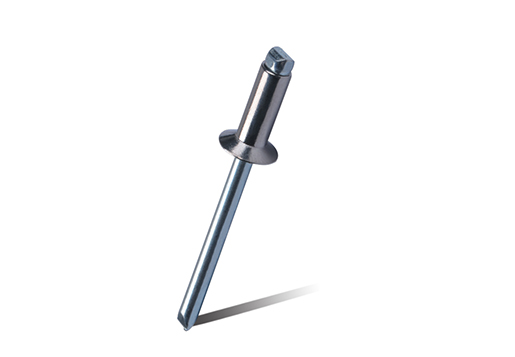
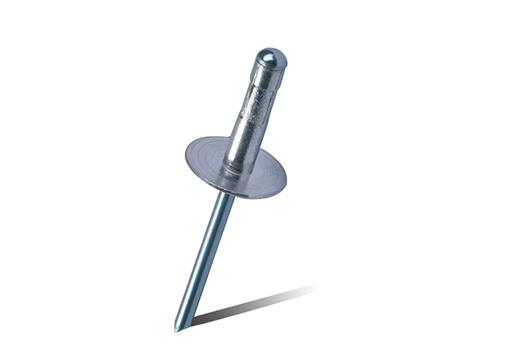
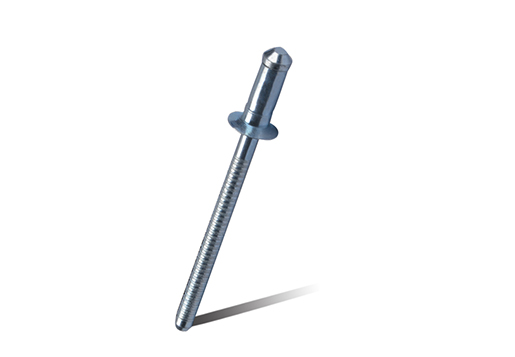
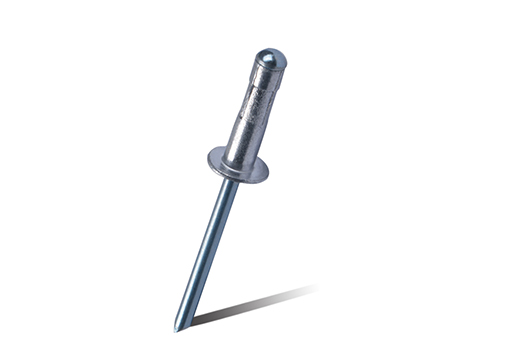
Pneumatic tools use compressed air to generate a rapid, powerful action. They are typically lightweight, fast, and favored on production lines. A pneumatic rivet tool often works with the ‘pop rivet’ or blind rivet:
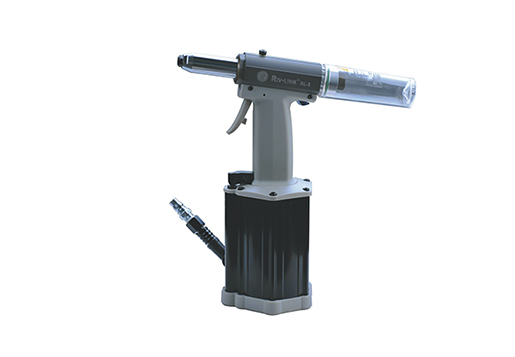
Hydraulic systems use an incompressible fluid (like oil) to transmit force. When fluid is pushed by a piston in one area, it creates immense, even pressure in another. Hydraulic rivet tools, and more commonly pneumatic hydraulic rivet tools, are essential for heavy-duty applications because they can generate significantly higher setting forces than purely pneumatic tools.
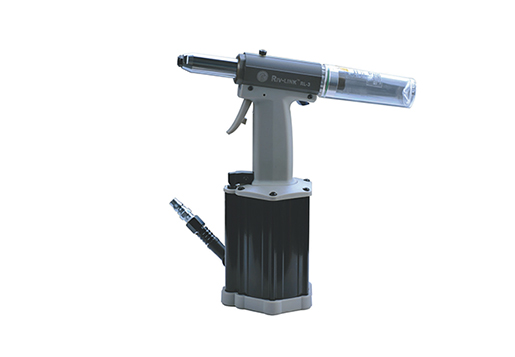
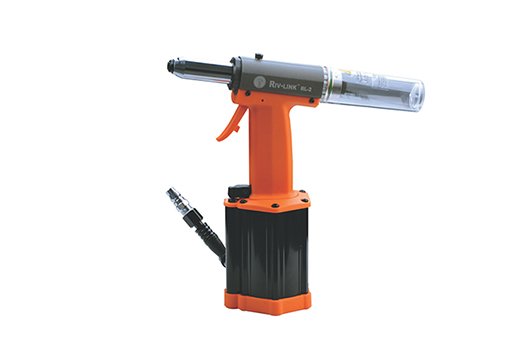
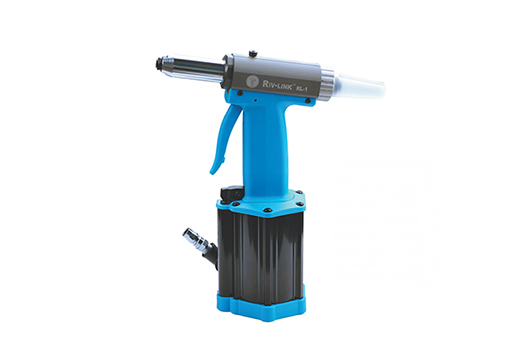
A pneumatic hydraulic rivet tool combines the convenience of compressed air with the immense power of hydraulics.
This hybrid design allows for a relatively compact, hand-held tool to exert thousands of pounds of force reliably and repeatedly, making it the workhorse for installing solid rivets and large blind rivets in demanding industries.
Modern powered rivet tools offer immense benefits over manual methods:
From the quiet efficiency of an assembly line setting small rivets to the powerful “pop” of a pneumatic hydraulic tool securing the wing of a commercial jet, these engineered devices are an indispensable part of the modern mechanical world, proving that sometimes, the oldest techniques are the most enduring when paired with cutting-edge power technology.
Copyright © Steady Industrial Fasteners Co., Ltd. All Rights Reserved China Blind Rivet Nuts Manufacturers Self-Clinching Factory



 EN
EN  English
 русский
 한국어
한국어 عربى
عربى Türk
Türk