We welcome you to contact us, STEADY not only your reliable supplier, but also your turstworthy business partner.
 +(86)-133 8863 9264
Apr 08,2026
Content
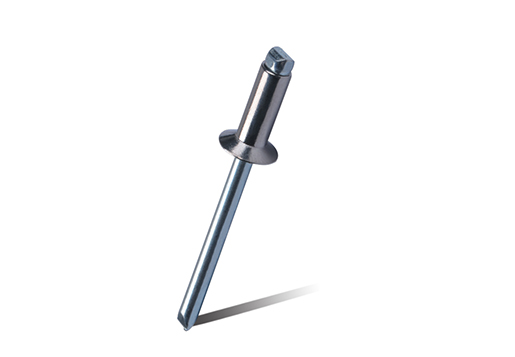
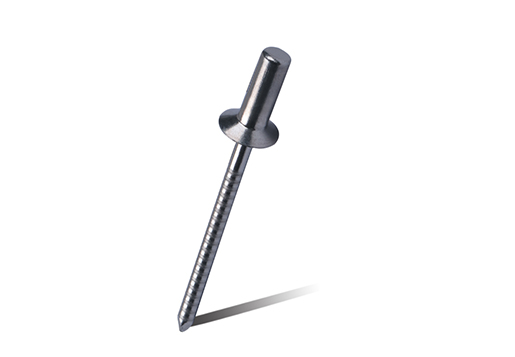
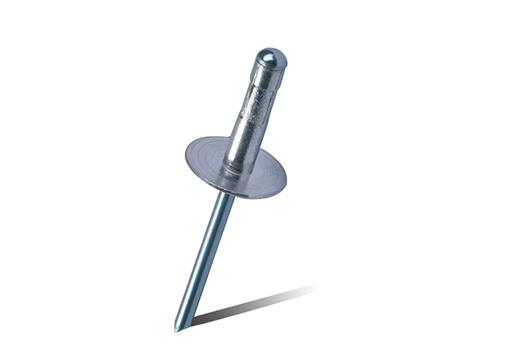
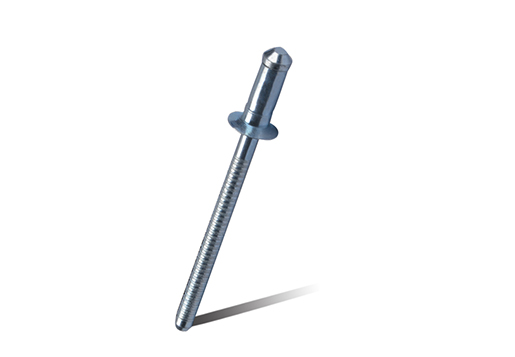
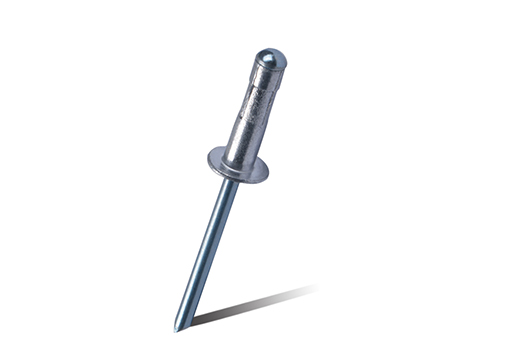
When you need to permanently join two pieces of material but only have access to one side of the workpiece, an Al open blind rivet is your best friend. Fabricated primarily from high-quality aluminum alloys, these fasteners are incredibly lightweight, highly resistant to rust, and exceptionally easy to install. Unlike solid structural rivets that require access to both the front and back of the joint to hammer into place, aluminum open end rivets rely on a specialized hand or pneumatic tool. The tool pulls a central pin through the rivet, creating a strong, flared expansion on the hidden side. This ingenious design makes them perfectly suited for everyday construction, repair projects, and manufacturing where weight reduction and corrosion resistance are top priorities.
To understand how to use these fasteners properly and effectively, it helps to know their basic construction. Even though it looks like a single piece of hardware out of the box, an aluminum open blind rivet actually consists of two distinct components that work together during the installation process.
Because they are fabricated from aluminum, these specific blind rivets are not intended for heavy structural steelwork or load-bearing building construction. Instead, their unique properties shine in everyday applications involving sheet metal, plastics, and delicate mechanical components.
Heating and air conditioning technicians rely heavily on the Al open blind rivet. They are perfect for securing thin aluminum or galvanized steel duct sections because they provide a tight, vibration-resistant hold without distorting or crushing the thin metal walls. Furthermore, their aluminum construction ensures that ambient moisture and condensation inside the ducts won't cause the fasteners to rust and fail over time.
If you are patching an enclosed aluminum trailer, fixing a damaged license plate bracket, or installing aftermarket plastic trim on a car, aluminum open end rivets are the ideal solution. They securely clamp dissimilar materials—such as fiberglass or plastic to metal—without causing galvanic corrosion or adding unnecessary weight to the vehicle's body panels.
Choosing the correct rivet size is the most critical step in ensuring a solid, long-lasting joint. You must match both the diameter of the rivet to your pre-drilled hole and the grip range of the rivet to the combined thickness of the materials you are clamping together. If the grip range is too short, the rivet will simply pull out; if it is too long, the flanged joint will remain loose and rattle.
| Rivet Diameter | Recommended Drill Bit Size | Typical Grip Range Focus |
| 1/8" (3.2mm) | #30 or 1/8" | 0.063" - 0.125" (Light Sheet Metal) |
| 5/32" (4.0mm) | #20 or 5/32" | 0.126" - 0.250" (Standard Plastics/Metal) |
| 3/16" (4.8mm) | #11 or 3/16" | 0.251" - 0.375" (Thicker Brackets/Panels) |
Proper installation of an Al open blind rivet requires more precision than just heavily squeezing a hand tool. First, always ensure your newly drilled holes are perfectly clean and completely free of metal burrs. Trapped debris can prevent the two pieces of material from sitting flush against each other, leading to a weak joint. When inserting the rivet, push the noseplate of the rivet gun firmly against the top flange to keep the tool perfectly perpendicular to the work surface. Squeezing the handle at an angle will result in a crooked, uneven expansion on the blind side and can potentially cause the snapped mandrel to jam tightly inside your rivet gun.
Copyright © Steady Industrial Fasteners Co., Ltd. All Rights Reserved China Blind Rivet Nuts Manufacturers Self-Clinching Factory



 EN
EN  English
 русский
 한국어
한국어 عربى
عربى Türk
Türk