We welcome you to contact us, STEADY not only your reliable supplier, but also your turstworthy business partner.
 +(86)-133 8863 9264
Apr 22,2026
Content
When people ask “why use rivets instead of bolts,” they are usually trying to understand the functional differences between these two fastening methods. Both rivets and bolts are used to join materials, but they behave very differently in terms of installation, strength, vibration resistance, and long-term reliability.
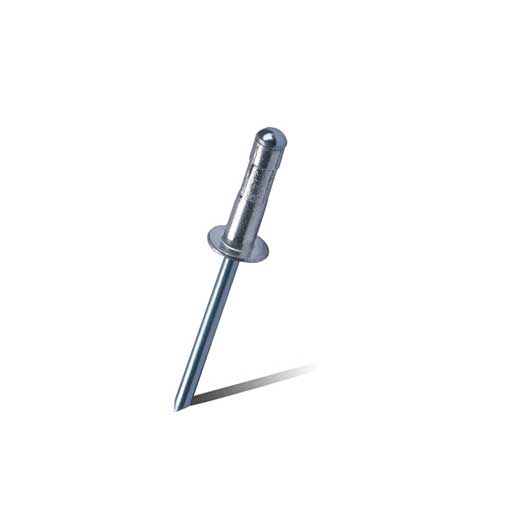
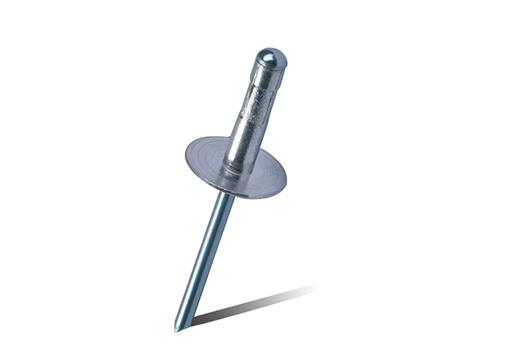
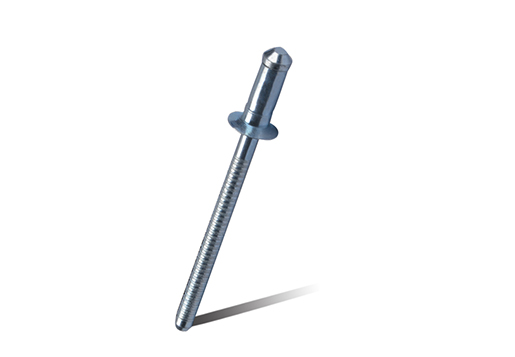
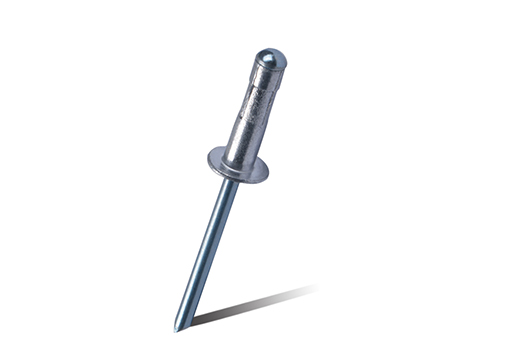
Rivets are permanent mechanical fasteners that are deformed during installation to hold materials together. Bolts, on the other hand, are removable fasteners that rely on threads and nuts to maintain clamping force. Choosing between them depends on the specific needs of your application.
There are several practical reasons why engineers and manufacturers choose rivets over bolts, especially in demanding environments.
In environments where constant vibration is present, such as aircraft, railways, or heavy machinery, bolts can gradually loosen over time. Rivets, once installed, form a solid joint that resists loosening, making them a more reliable choice.
Rivets are particularly effective when working with thin sheets of metal or plastic. Bolts may require additional washers or reinforcement, while rivets distribute the load more evenly without damaging the material.
If the joint is not intended to be disassembled, rivets provide a permanent and tamper-resistant solution. This is why they are widely used in aerospace, shipbuilding, and structural frameworks.
To better understand why use rivets instead of bolts, it helps to compare their characteristics side by side.
| Feature | Rivets | Bolts |
| Installation | Permanent deformation | Threaded tightening |
| Vibration Resistance | Excellent | May loosen over time |
| Reusability | Not reusable | Reusable |
| Access Requirement | Single-side possible | Usually both sides needed |
| Maintenance | Low | Requires periodic checks |
While rivets have many advantages, bolts are still the better choice in certain cases. Understanding this helps you make a balanced decision.
Choosing the right fastener is not just about strength—it’s about matching the fastener to the application conditions. Here are some practical tips to guide your decision.
So, why use rivets instead of bolts? The answer comes down to reliability, simplicity, and performance in specific conditions. Rivets excel in permanent, vibration-resistant, and lightweight applications, making them a go-to choice in industries like aerospace, automotive, and construction.
By understanding the strengths and limitations of both fastening methods, you can choose the most effective solution for your project and ensure long-term durability and safety.
Copyright © Steady Industrial Fasteners Co., Ltd. All Rights Reserved China Blind Rivet Nuts Manufacturers Self-Clinching Factory



 EN
EN  English
 русский
 한국어
한국어 عربى
عربى Türk
Türk