We welcome you to contact us, STEADY not only your reliable supplier, but also your turstworthy business partner.
 +(86)-133 8863 9264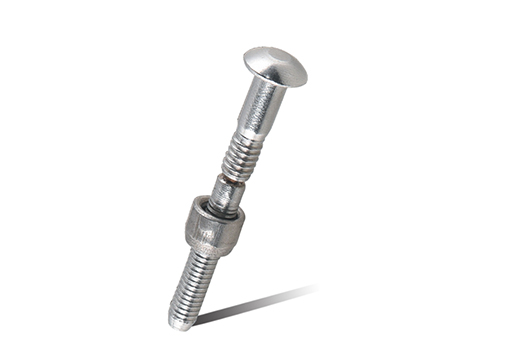
Apr 15,2026
Content
Rivets and bolts might look similar at first glance, but they work in fundamentally different ways. A bolt is a temporary fastener that uses threads and a nut to clamp parts together, which means you can take it apart later. A rivet, on the other hand, is a permanent fastener. Once you install a rivet by deforming its tail, it creates a solid, vibration-resistant joint that won't loosen over time. This permanent nature is exactly why many industries still reach for rivets instead of bolts when reliability matters most. If you're wondering why use rivets instead of bolts for your project, understanding this core difference is the first step.
In environments with heavy vibration—like aircraft, trains, or heavy machinery—rivets shine because they don't back out like threaded fasteners can. Think about the skin of an airplane: thousands of rivets hold it together because a loose bolt at 30,000 feet isn't an option. Similarly, in bridge construction or railroad cars, rivets provide consistent clamping force without needing regular retightening. Even in everyday items like jeans or leather goods, small rivets handle stress points better than screws or bolts ever could. Choosing rivets over bolts here isn't just tradition—it's smart engineering.
When machinery shakes or vehicles bounce down rough roads, threaded fasteners can gradually loosen. Rivets eliminate this risk entirely because their deformed tail locks them in place. This is why you'll find rivets in engine components, exhaust systems, and anywhere repetitive motion occurs. If your project faces constant movement or impact, rivets instead of bolts could save you from costly failures down the road.
Beyond vibration resistance, rivets offer several practical benefits that make them the smarter choice for specific jobs. They're often lighter than bolt-and-nut combinations, which matters in weight-sensitive fields like aerospace. Installation can be faster too, especially with modern blind rivets that only need access from one side. Plus, riveted joints distribute stress more evenly across the connection point, reducing the chance of material fatigue or cracking over time. When you weigh why use rivets instead of bolts, these advantages often tip the scale.
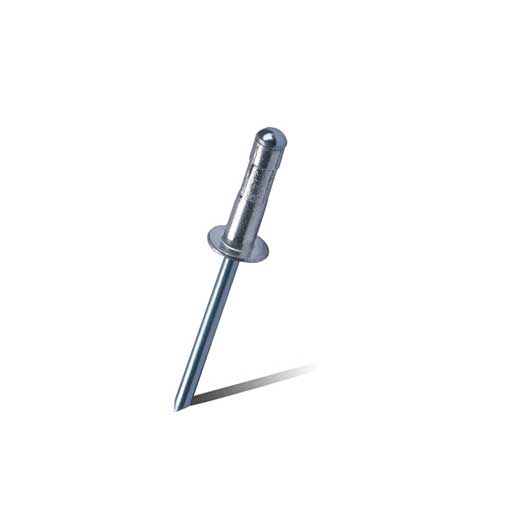
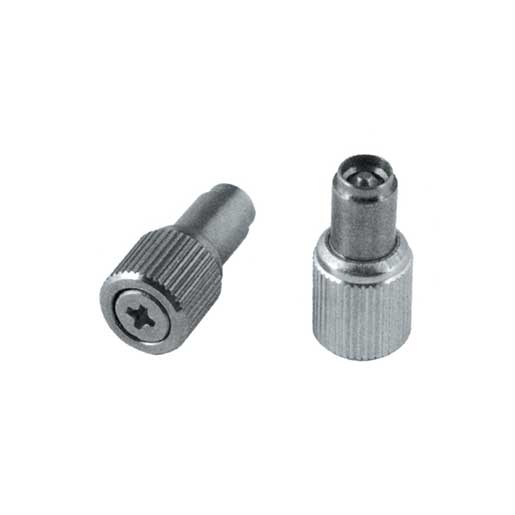
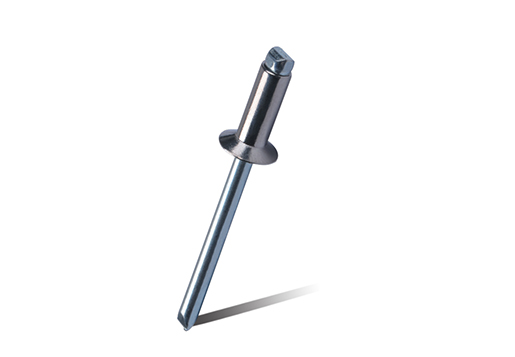
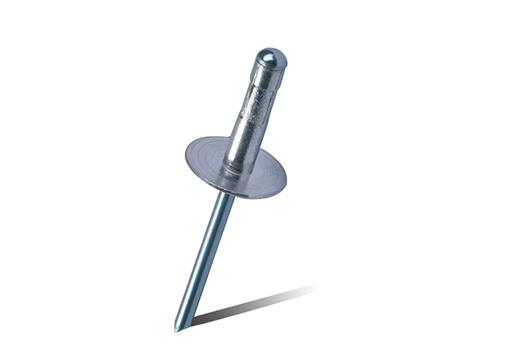
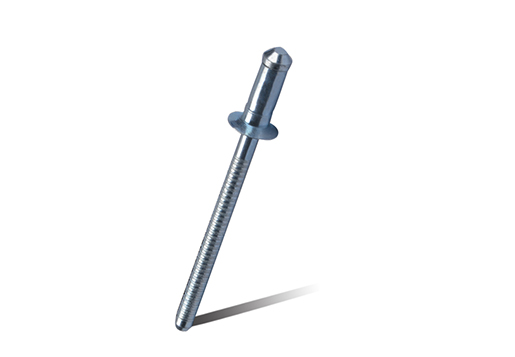
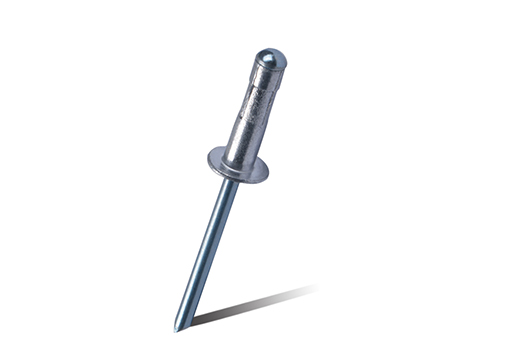
Not all rivets are the same, and picking the right type matters. Solid rivets offer maximum strength for structural work but need access to both sides and a rivet gun. Blind rivets (also called pop rivets) are perfect for DIY projects or tight spaces since you install them from one side only. Drive rivets work well for attaching metal to wood or concrete, while structural rivets meet strict engineering standards for bridges and buildings. Knowing which rivet fits your job helps you get the durability of permanent fastening without overcomplicating the task.
| Rivet Type | Best For | Key Benefit |
| Solid Rivet | Aircraft frames, heavy machinery | Maximum strength and reliability |
| Blind/Pop Rivet | DIY repairs, automotive panels | One-sided installation, quick setup |
| Structural Rivet | Bridges, steel buildings | Meets engineering load standards |
| Drive Rivet | Attaching metal to wood/concrete | Simple hammer installation |
Rivets aren't always the answer. If you need to disassemble parts for maintenance, repair, or upgrades, bolts are the obvious choice. They also work better when you need precise clamping force adjustment or when joining very thick materials that exceed standard rivet lengths. In low-vibration, static applications where access for a wrench isn't an issue, bolts offer flexibility that permanent rivets can't. The key is matching the fastener to the job: use rivets when you want a set-it-and-forget-it joint, and reach for bolts when you need future access or adjustability. Understanding when to choose rivets instead of bolts—and vice versa—makes you a smarter builder.
Copyright © Steady Industrial Fasteners Co., Ltd. All Rights Reserved China Blind Rivet Nuts Manufacturers Self-Clinching Factory



 EN
EN  English
 русский
 한국어
한국어 عربى
عربى Türk
Türk